

How to get certified as a software tester? In today’s competitive job market, obtaining a certification in software testing can significantly enhance your career prospects and open doors to new opportunities. This comprehensive guide will provide you with all the essential information you need to navigate the certification process, from choosing the right provider to preparing for and passing the exam.
Whether you’re a seasoned professional looking to advance your career or a recent graduate seeking to enter the field of software testing, this guide will empower you with the knowledge and strategies you need to succeed.
Certification Overview
Acquiring software testing certifications can significantly enhance your credibility as a professional in the field. These certifications demonstrate your proficiency in the principles and practices of software testing, which can lead to increased job opportunities, career advancement, and higher earning potential.
There are various levels of software testing certifications available, each designed to cater to different levels of experience and expertise. Entry-level certifications provide a foundational understanding of testing concepts and techniques, while advanced certifications delve into specialized areas of testing, such as performance testing, security testing, or mobile testing.
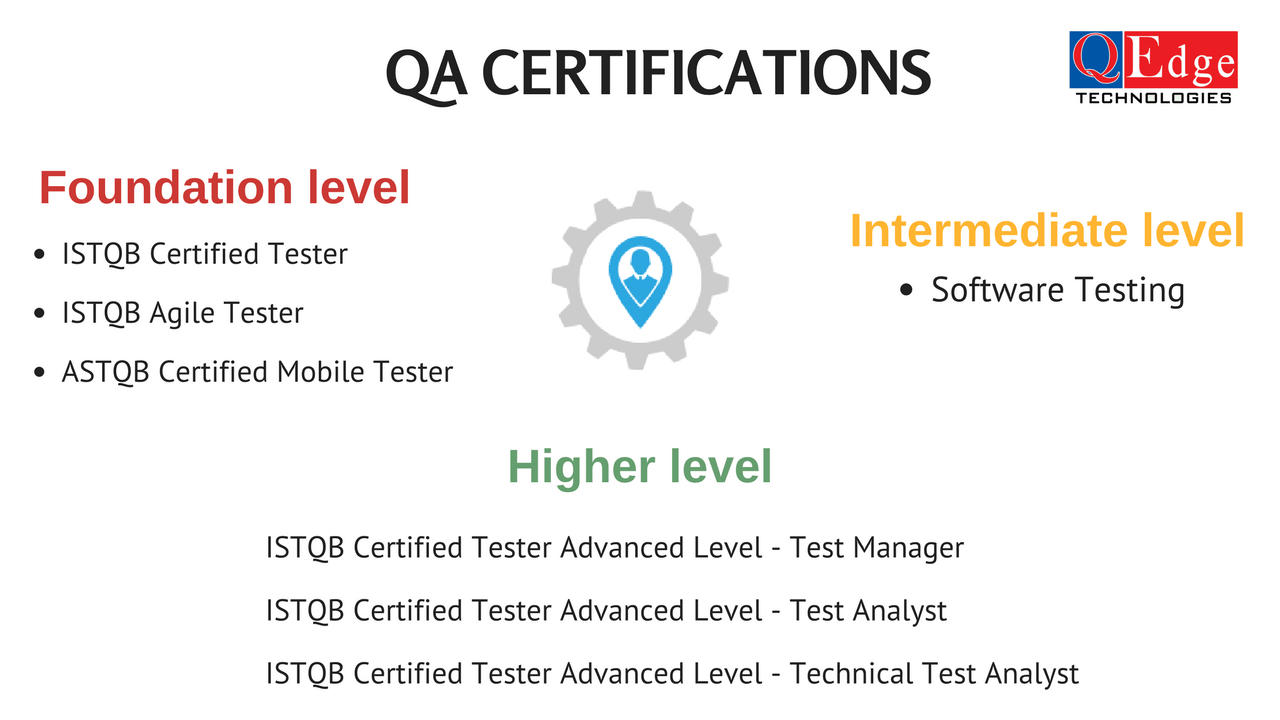
Levels of Certification
- Foundation Level: Suitable for individuals with little or no experience in software testing. Provides a comprehensive overview of testing fundamentals.
- Intermediate Level: Designed for testers with some experience who wish to expand their knowledge and skills in specific testing domains.
- Advanced Level: Intended for experienced testers seeking specialized expertise in areas such as performance testing, security testing, or automation testing.
Certification Providers
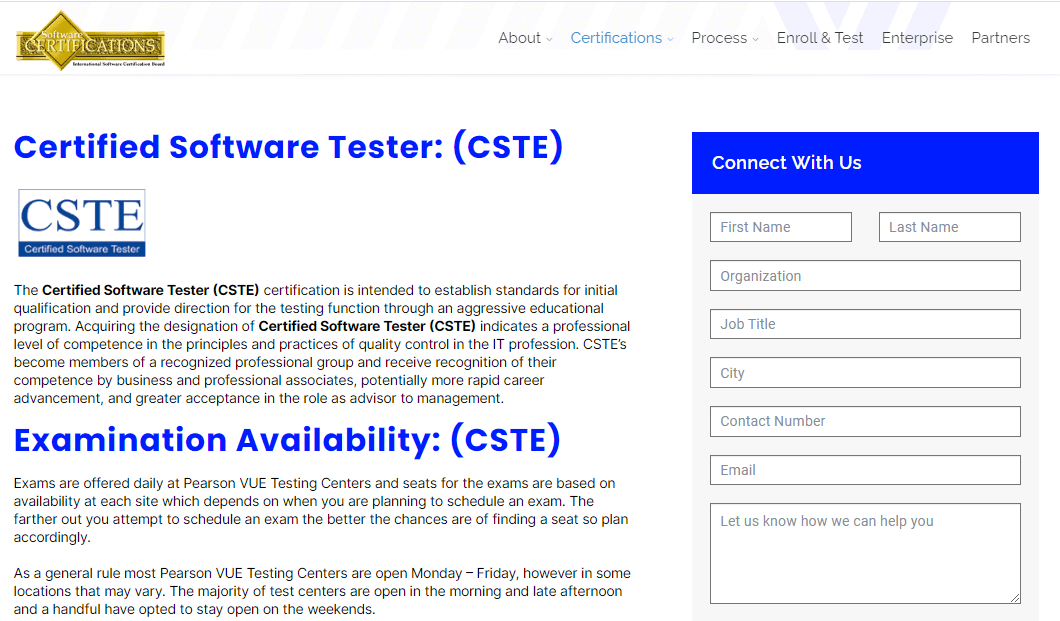
Numerous reputable organizations offer software testing certifications, each with unique criteria, requirements, and benefits. Understanding these providers and their offerings is crucial for choosing the certification that best aligns with your career goals and aspirations.
International Software Testing Qualifications Board (ISTQB)
ISTQB is a global certification body specializing in software testing. Their certifications are widely recognized and respected in the industry.
- Certified Tester Foundation Level (CTFL): Entry-level certification covering software testing fundamentals.
- Certified Tester Advanced Level (CTAL): Advanced certification for experienced testers, focusing on specific testing domains.
- Certified Tester Expert Level (CTEL): Highest level of ISTQB certification, demonstrating exceptional testing expertise.
ISTQB certifications require passing exams, meeting experience criteria, and adhering to ethical guidelines.
American Software Testing Qualifications Board (ASTQB), How to get certified as a software tester
ASTQB is the US affiliate of ISTQB, offering certifications tailored to the American software testing market.
- Certified Software Tester (CST): Entry-level certification equivalent to ISTQB CTFL.
- Certified Advanced Software Tester (CAST): Advanced certification equivalent to ISTQB CTAL.
ASTQB certifications follow similar criteria and requirements as ISTQB, including passing exams and meeting experience requirements.
International Institute for Software Testing (IIST)
IIST is a leading provider of software testing training and certifications.
- Certified Software Test Analyst (CSTA): Entry-level certification covering software testing principles and practices.
- Certified Software Test Manager (CSTM): Certification for test managers, focusing on test planning, execution, and management.
IIST certifications require a combination of training, exam passing, and experience verification.
Study Materials and Preparation
Thorough preparation is key to acing your software testing certification exam. Here’s a comprehensive guide to help you gather the necessary study materials and develop effective preparation strategies.
Study Materials
- Books: ISTQB Foundation Level Exam Study Guide, Software Testing Techniques by Srinivasan Desikan
- Online Courses: Udemy, Coursera, edX offer courses covering ISTQB syllabus
- Practice Tests: ISTQB sample exams, online practice platforms like TestPrepTraining
Tips and Techniques
Effective Preparation
- Understand the exam syllabus thoroughly.
- Start studying early and allocate sufficient time.
- Create a study schedule and stick to it.
- Join study groups or connect with other candidates for support.
- Use flashcards, mind maps, or other memorization techniques.
Exam Success
- Practice time management during practice tests.
- Read questions carefully and understand the intent.
- If unsure about an answer, eliminate incorrect options first.
- Review your answers before submitting.
- Stay calm and confident during the exam.
Exam Format and Content
Software testing certification exams typically follow a structured format and cover a comprehensive range of topics related to software testing. The exam structure, content, and weightage of different sections may vary depending on the specific certification being pursued.
Generally, these exams consist of multiple-choice questions, short answer questions, and essay-type questions. Multiple-choice questions are designed to test your understanding of fundamental concepts and theories. Short answer questions require you to provide concise and specific answers to questions related to testing techniques and methodologies. Essay-type questions assess your ability to analyze, evaluate, and articulate your knowledge of software testing principles and practices.
Exam Structure and Content
- Multiple Choice Questions: Typically account for 50-70% of the exam and cover a wide range of topics, including test design, test execution, defect management, and testing tools.
- Short Answer Questions: Usually comprise 20-30% of the exam and require you to demonstrate your understanding of specific testing concepts and techniques.
- Essay-Type Questions: May account for 10-20% of the exam and assess your ability to analyze, evaluate, and communicate your knowledge of software testing principles and practices.
The duration of the exam can vary from 2 to 4 hours, depending on the certification level and the number of questions. The passing score is typically around 70%, but this may also vary depending on the specific certification program.
Sample Exam Questions
- Multiple Choice: Which of the following is a type of functional testing?
- Short Answer: Describe the steps involved in creating a test case.
- Essay-Type: Discuss the importance of risk-based testing in software development.
Certification Renewal and Maintenance

Maintaining software testing certifications is crucial for professionals to stay up-to-date with industry best practices and demonstrate their ongoing competence. The renewal process involves meeting continuing education requirements and passing recertification exams periodically.
Renewal Process
The renewal process for software testing certifications varies depending on the certification provider. Generally, it involves:
* Completing a certain number of continuing education credits (CECs) within a specified timeframe.
* Passing a recertification exam that covers the latest industry trends and technologies.
* Paying a renewal fee.
Common Reasons for Suspension or Revocation
Failure to meet renewal requirements or engaging in unethical conduct can lead to certification suspension or revocation.
Benefits of Maintaining Certification
Maintaining certification provides several benefits, including:
* Career advancement opportunities
* Increased earning potential
* Enhanced credibility and recognition in the industry
* Access to exclusive resources and networking opportunities
Continuing Education Options
To meet CEC requirements, professionals can participate in various continuing education activities, such as:
* Online courses
* In-person workshops and conferences
* Self-study through books and articles
* Contributing to industry publications
Tips for Recertification
To prepare for recertification exams, consider the following tips:
* Review the exam blueprint to identify key topics.
* Study using a variety of resources, including textbooks, online materials, and practice questions.
* Join study groups or connect with other professionals for support.
* Practice time management during the exam.
Career Advancement and Job Opportunities
Obtaining software testing certifications can significantly enhance your career prospects by demonstrating your expertise and commitment to the field.
Certified testers are in high demand across various industries, including technology, finance, healthcare, and manufacturing.
Job Roles
- Software Test Engineer
- Quality Assurance (QA) Tester
- Test Automation Engineer
li>Performance Tester
Online Training Programs for Software Testing Certification Preparation
Enrolling in reputable online training programs can significantly enhance your preparation for software testing certification exams. These programs offer structured learning paths, expert guidance, and practice materials to help you succeed in your certification journey.
Program Comparison
The following table provides a comparison of three reputable online training programs for software testing certification preparation:
| Program | Features | Costs | Benefits |
|---|---|---|---|
| Program A |
|
$1,000 |
|
| Program B |
|
$1,200 |
|
| Program C |
|
$1,500 |
|
The length of each program varies, typically ranging from 6 to 12 months. The number of hours of instruction also varies, but most programs offer around 40 to 60 hours of content. All three programs provide online support through discussion forums, email, or live chat.
Key Findings
Based on our research, the key findings regarding online training programs for software testing certification preparation include:
- Reputable programs offer a range of features, including live classes, self-paced learning, and practice exams.
- Costs vary depending on the program and its features, but most programs fall within the range of $1,000 to $1,500.
- Benefits of these programs include preparation for certification exams, acquisition of in-demand skills, and career advancement.
- Choosing the right program depends on your individual learning style, schedule, and budget.
Boot Camps and Workshops
Boot camps and workshops are intensive, short-term programs designed to prepare individuals for software testing certification exams. These programs typically cover the core concepts and skills required for certification, providing a structured and accelerated learning experience.
Advantages of Boot Camps and Workshops
* Intensive learning environment: Boot camps and workshops offer a highly focused and immersive learning experience, allowing participants to cover a significant amount of material in a short period.
* Structured curriculum: These programs follow a well-defined curriculum that aligns with the certification exam requirements, ensuring that participants are well-prepared for the exam.
* Hands-on training: Many boot camps and workshops include hands-on exercises and simulations, providing participants with practical experience in software testing techniques.
* Expert instructors: These programs are typically led by experienced software testing professionals who can provide guidance and support throughout the learning process.
* Networking opportunities: Boot camps and workshops offer opportunities for participants to connect with other professionals in the software testing field.
Disadvantages of Boot Camps and Workshops
* Cost: Boot camps and workshops can be expensive, especially for those who have limited financial resources.
* Time commitment: These programs typically require a significant time commitment, which may not be feasible for individuals with busy schedules.
* Limited flexibility: Boot camps and workshops usually have fixed schedules and locations, which may not be convenient for everyone.
* Not a substitute for experience: While boot camps and workshops can provide valuable knowledge and skills, they cannot replace the practical experience gained through hands-on software testing projects.
Mentoring and Support

Mentoring and support groups play a crucial role in the journey of software testing certification candidates. They provide guidance, encouragement, and a platform for knowledge sharing. Mentors, often experienced professionals in the field, can offer valuable insights, industry knowledge, and career advice. Support groups, on the other hand, connect candidates with peers who are also navigating the certification process, providing a sense of community and support.
Finding Mentors and Support Groups
To find mentors, reach out to your professional network, attend industry events, or join online platforms like LinkedIn or Meetup. For support groups, explore online forums, social media groups, or local testing communities.
Establishing a Successful Mentoring Relationship
Effective mentoring relationships are built on clear communication, mutual respect, and shared goals. Establish clear expectations, set regular meeting schedules, and actively engage in discussions. Seek feedback, ask questions, and be open to constructive criticism.
Getting the Most Out of Support Groups
Maximize the benefits of support groups by actively participating in discussions, sharing knowledge, and seeking help when needed. Respect diversity of opinions, offer support to fellow members, and maintain a positive and encouraging environment.
Recommended Mentoring and Support Resources
– [ISTQB Mentorship Program](https://www.istqb.org/mentorship-program/)
– [Software Testing Club](https://www.softwaretestingclub.com/)
– [Ministry of Testing](https://www.ministryoftesting.com/)
Exam Simulation and Practice Tests
Exam simulation software and practice tests are invaluable tools for preparing for the software testing certification exam. They help you familiarize yourself with the exam format, question types, and difficulty level.
By taking practice tests, you can identify your strengths and weaknesses, allowing you to focus your study efforts on areas that need improvement. Exam simulation software often provides detailed feedback on your performance, helping you understand why you answered correctly or incorrectly.
Reputable Resources and Tools
- Udemy: Offers a wide range of practice tests and courses for various software testing certifications.
- Simplilearn: Provides comprehensive exam simulation software and practice tests for multiple software testing certifications.
- ExamSnap: Specializes in exam simulations and practice tests for ISTQB and other software testing certifications.
- Study.com: Offers practice tests and study materials for ISTQB and other certifications.
- TestProject: Provides free practice tests and a test automation platform for software testers.
– Include specific examples of software testing certifications, such as ISTQB, CSTE, or CAST.
Obtaining a software testing certification can significantly enhance your career prospects and open doors to new opportunities. Here are a few notable examples of software testing certifications:
- ISTQB (International Software Testing Qualifications Board) is a widely recognized certification that validates your skills in software testing fundamentals, processes, and techniques.
- CSTE (Certified Software Test Engineer) is offered by the American Software Testing Qualifications Board (ASTQB) and demonstrates your expertise in software testing principles and practices.
- CAST (Certified Associate in Software Testing) is a certification from the International Institute for Software Testing (IIST) that assesses your knowledge of software testing concepts and methodologies.
Industry Trends and Future Outlook: How To Get Certified As A Software Tester
The software testing industry is constantly evolving, driven by advancements in technology and the increasing complexity of software systems. Emerging trends are shaping the landscape of software testing, impacting certification requirements and the skills needed by professionals in the field.
One significant trend is the rise of agile development methodologies. Agile approaches emphasize iterative development and continuous testing, requiring testers to be more involved throughout the development process. This shift has led to a demand for testers with a deep understanding of agile practices and the ability to work effectively in cross-functional teams.
Impact of New Technologies and Methodologies on Certification Requirements
The advent of new technologies, such as cloud computing, artificial intelligence (AI), and machine learning (ML), is also having a profound impact on software testing. Cloud-based testing platforms enable remote testing and provide access to scalable testing infrastructure. AI and ML techniques are being applied to automate testing tasks and improve test coverage.
As these technologies continue to advance, certification requirements are evolving to reflect the changing needs of the industry. Certifications now emphasize skills in cloud testing, AI/ML testing, and performance testing. Testers who wish to stay competitive must keep up with these emerging trends and acquire the necessary skills to meet the demands of modern software development.
International Recognition and Global Certifications
Internationally recognized software testing certifications demonstrate a tester’s competence and adherence to global standards. They enhance credibility, increase employability, and provide a competitive edge in the global job market.
Numerous organizations offer global software testing certifications, each with specific requirements and benefits. The following table summarizes the key details of some prominent certification providers:
| Provider | Certification | Requirements | Benefits |
|---|---|---|---|
| International Software Testing Qualifications Board (ISTQB) | Certified Tester Foundation Level (CTFL) | None | – Entry-level certification – Demonstrates basic knowledge of software testing principles |
| International Software Testing Qualifications Board (ISTQB) | Certified Tester Advanced Level (CTAL) | CTFL certification | – Advanced-level certification – Validates proficiency in specific testing domains |
| American Software Testing Qualifications Board (ASTQB) | Certified Software Tester (CST) | None | – Entry-level certification – Recognizes fundamental testing skills |
| Certified Software Test Engineer (CSTE) Board | Certified Software Test Engineer (CSTE) | Bachelor’s degree in a relevant field or equivalent experience | – Prestigious certification – Demonstrates comprehensive software testing expertise |
| CAST (Council for Agile Software Testing) | Certified Agile Software Tester (CAST) | None | – Validates proficiency in agile testing practices – Enhances employability in agile development environments |
Obtaining these certifications typically involves completing a training course, passing an exam, and adhering to ongoing professional development requirements. Prerequisites may vary depending on the certification level and provider.
International recognition of software testing certifications expands career opportunities, fosters collaboration among global teams, and ensures adherence to industry best practices. As the software industry continues to evolve, these certifications will likely become even more essential for professionals seeking to advance their careers.
– Certification Path and Progression

A well-defined certification path helps individuals systematically enhance their skills and knowledge, aligning with their career goals. It provides a roadmap for continuous learning and progression, ensuring that professionals stay up-to-date with the latest industry trends and best practices.
Benefits of Certification Progression and Specialization
Pursuing multiple certifications and specializing in specific areas offers several benefits, including:
- Enhanced Credibility and Recognition: Multiple certifications demonstrate a commitment to professional development and expertise, enhancing credibility among peers, employers, and clients.
- Increased Career Opportunities: Specialization in specific areas opens doors to specialized roles and projects, expanding career options and earning potential.
- In-depth Knowledge and Skills: Pursuing multiple certifications allows individuals to gain a comprehensive understanding of the software testing domain, developing specialized skills and knowledge in specific areas.
- Improved Performance and Productivity: Certifications provide structured learning and hands-on experience, enhancing job performance, productivity, and efficiency.
- Competitive Advantage: In a competitive job market, multiple certifications and specialization set individuals apart, showcasing their dedication to professional growth and excellence.
Recommended Certification Path
The recommended certification path for software testers may vary depending on career goals and specializations. However, a general progression could include:
| Level | Certification | Requirements | Recommended Order |
|---|---|---|---|
| Foundation | ISTQB Foundation Level | No prerequisites | 1 |
| Intermediate | CSTE Certified Software Tester | ISTQB Foundation Level or equivalent | 2 |
| Advanced | CAST Advanced Software Tester | CSTE or equivalent | 3 |
Importance of Staying Up-to-Date
The software testing industry is constantly evolving, with new technologies and methodologies emerging regularly. To remain relevant and competitive, it is crucial for certified professionals to stay up-to-date with the latest advancements. This involves pursuing continuing professional development (CPD) activities, such as attending conferences, webinars, and workshops, and obtaining re-certifications as required.
Salary and Compensation
Certified software testers enjoy competitive salaries and compensation packages that reflect their specialized skills and expertise. The average annual salary for certified software testers in the United States ranges from $70,000 to $120,000, depending on experience, location, and industry.
Certification has a significant impact on earning potential and career advancement. Certified software testers are often eligible for higher salaries, promotions, and leadership roles. They are also more likely to be considered for specialized projects and consulting opportunities.
Factors Influencing Salary
- Experience: Testers with more years of experience typically earn higher salaries.
- Location: Salaries for software testers vary depending on the geographic location, with higher salaries in metropolitan areas and technology hubs.
- Industry: The industry in which a software tester works can also impact salary, with higher salaries in sectors such as finance, healthcare, and technology.
- Certifications: Holding multiple certifications can increase earning potential, as it demonstrates a commitment to professional development and specialized skills.
- Skills and Expertise: Testers with specialized skills, such as automation testing or performance testing, may earn higher salaries.
Last Word
Remember, obtaining a software testing certification is not just about passing an exam; it’s about demonstrating your commitment to excellence and your dedication to the craft. By following the steps Artikeld in this guide, you can increase your chances of success and embark on a rewarding career in software testing.
So, if you’re ready to take your software testing skills to the next level, start your certification journey today. The future of software testing is bright, and with the right certification, you can be a part of it.
Quick FAQs
What are the benefits of getting certified as a software tester?
Obtaining a software testing certification can provide numerous benefits, including increased earning potential, career advancement opportunities, enhanced credibility and recognition within the industry, and validation of your skills and knowledge.
How do I choose the right certification provider?
When selecting a certification provider, consider factors such as the reputation and recognition of the certification, the cost and duration of the certification process, the availability of study materials and support, and the alignment of the certification with your career goals.
What are some tips for preparing for the software testing certification exam?
To prepare effectively for the software testing certification exam, utilize a combination of study materials such as books, online courses, and practice tests. Create a dedicated study schedule, focus on understanding the key concepts and terminologies, and seek support from mentors or study groups if needed.
